


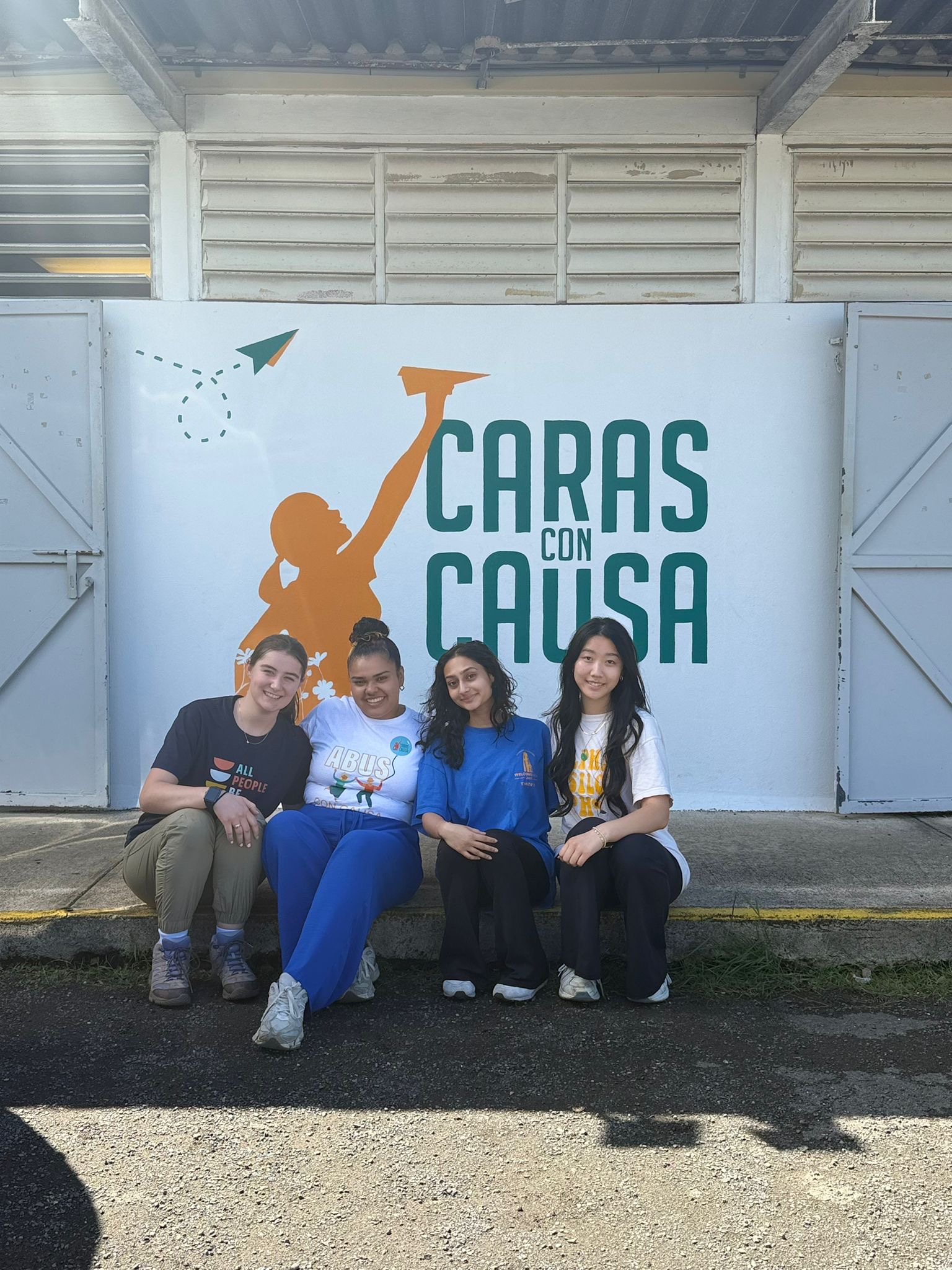
It’s so crazy that the semester is coming to an end, and how quickly this experience has passed. It feels like yesterday we started this class, received our scope of work, and began brainstorming our deliverables before preparing to travel to San Juan. Before this school year, I never thought I would have the opportunity to do a study abroad program, especially one that combined service learning and consulting. As I reflect on the GSL experience as a whole, with in-class learning, out-of-class collaboration, and in-country experience, I am so grateful for the knowledge and growth I’ve gained.
Throughout this experience, there were many key lessons I learned that connected to the readings and discussions we had in class. One reading, “Conflict Management in Teams” from the University of Virginia’s Darden School of Business, discussed how conflict management within teams determines their success and categorizes teams based on performance and satisfaction. In the past, I often found myself in what the article labels as “avoidant teams”, where members divide tasks and rarely meet. However, the GSL program emphasized and pushed us towards becoming “The Ideal Team,” which was mentioned in the article, resulting in both high performance and high satisfaction. My group showed this in many ways throughout the semester. In our weekly meetings, we had open discussions about our ideas and decision-making processes. Rather than only dividing tasks and working independently, we took the time to justify and understand the choices made. We also took responsibilities based on our individual strengths. For example, Alexa’s consulting experience made her especially skilled at formatting our final presentation. My background helped guide how we frame our content to be engaging. Sofia’s attention to detail could see how thorough our research was and that there were no gaps. Another important reading was “Comparing the Effects of Community Service and Service Learning”. This was a study that compared the effects of service learning participants, community service participants, and non-service participants. While I believed the results of the study, I got to experience it firsthand. Throughout the trip, I was challenged to think critically, adapt quickly, and make informed decisions quickly. For example, the CEO, Michael, would ask us to pivot our focus or explore new ideas with little notice. My group had to quickly gather information, analyze it, and use it for our deliverables. These moments required problem-solving skills, flexibility, and keeping composure under pressure. This experience enhanced my cognitive development and critical thinking skills.


After rereading my initial blog posts, they lined up exactly how I thought they would. In my first two blog posts, I wrote about how I would hope to develop transferable skills like teamwork, adaptability, etc., skills valued by employers. After completing this, I can say these areas have been strengthened. Also, I touched on how excited I was traveling to Puerto Rico and working with Caras con Causa. I didn’t understand the depth of the experience I was about to have. What stood out to me was the strength of the relationships we built. Rather than feeling like we were just volunteers who were completing a project for a client, it felt like we were collaborating partners. Caras con Causa was so welcoming, patient, and open towards us, which made the trip meaningful and productive. By the end, it felt like we had built genuine connections, especially with Adriana, making it even more meaningful.
One important transferable skill I developed through this course was adaptability. In a professional setting, the ability to adjust to unexpected situations is important, and this experience pushed me to do so. We had a structured itinerary, but the plans frequently changed. Whether it was being thrown into a last-minute meeting or needing to shift our focus to something new the client wants, my group had to adapt to remain productive quickly. For example, during a spontaneous meeting with Caras’ social media team, we had to create questions on the spot, actively listen, and take notes while thinking about how the information could change our deliverables. This experience showed the importance of being flexible and prepared for uncertain events in the professional world. I also strengthened my problem-solving skills. One important moment is when we had a meeting with Michael, where he discussed his vision and priorities. The social media team had different perspectives. As a group, we had to navigate this by conducting more research to come up with a compromising solution between the two. This experience taught me how to approach challenges from multiple angles and reinforced the importance of collaboration in finding effective solutions. I also expanded my technical skill set through this experience. While I had prior experience with research as a psychology major and research assistant, this was my first time conducting target audience and social media research in a consulting context. Learning how to interpret data into actionable recommendations further developed a skill I had.
In service learning, it’s extremely important to build strong relationships. In service learning, strong relationships are important for creating meaningful and sustainable impact. Building trust and maintaining open communication with the in-country client allows for a deeper understanding of the organization’s goals and challenges. Pitt’s strong, established relationship with Caras con Causa played a role in the success of our project. Previous groups had delivered high-quality work and were professional, so there was already trust built. The relationship also pushed our group to deliver high-quality work. Even though our group was assigned a new project, we worked to deliver thoughtful recommendations, strengthening the relationship even further.
In a professional interview, explaining the impact this project had on me in a concise way is going to be a challenge for me. There was so much I experienced, emotions I felt, and how everything impacted and changed me. However, if I were in an interview, I would explain how the GSL program is a consulting-based, client-focused project that allowed me to apply academic knowledge in a global, real-world context. I would describe our scope of work, such as developing donor personas and creating a social media strategy, then transition into the process we followed to achieve our deliverables. I would also emphasize the skills I further developed, such as adaptability, problem-solving, communication, and teamwork, and provide specific examples to show this. By explaining the interpersonal and technical skills I gained from the experience, I would show that it was an invaluable experience that prepared me for future roles.
For future groups, there are several pieces of advice I would give. I would tell them to review past deliverables, presentations, and reports because they can provide important insight into what’s successful and can help guide their approach. I would also tell them that prioritizing team relationships is essential. They should take their time in getting to know their group members outside of class time to foster trust and improve communication, leading to a more positive and productive experience. I would also tell them that even though they have to divide tasks, it’s important to have a shared understanding of the overall project and the justification for certain decisions made. Making sure that everyone is aligned with the goals and reasoning will create effective deliverables.

Overall, this experience was incredibly impactful, fulfilling, and hard to put into words. It challenged me to grow in ways I did not anticipate and provided me with skills and insights that will benefit me in the future. I am so grateful for the opportunity to participate in the GSL program and for the support from our instructors, All People Be Happy, and Caras con Causa. Their guidance and support made this experience more meaningful and enjoyable. This is an experience that has shaped my perspective and prepared me for future academic and professional endeavors.
